 en
en 中 文
中 文 Español
 Português
 Deutsch
 Türk
Türk Pусский
 عربي
عربي 한국인
한국인 日本語
日本語

--A Practical Guide to Control Line Tubing Uses, Standards, and Innovations in Oil & Gas Systems
Discover how Control Line Tubing supports downhole safety, chemical injection, and monitoring in oil & gas wells—built to meet ASTM and NACE standards.
This article will explain the main applications and technical points of Control Line Tubing in the oil and gas industry, helping procurement and engineering teams quickly understand its key role in downhole systems.
Function and Type
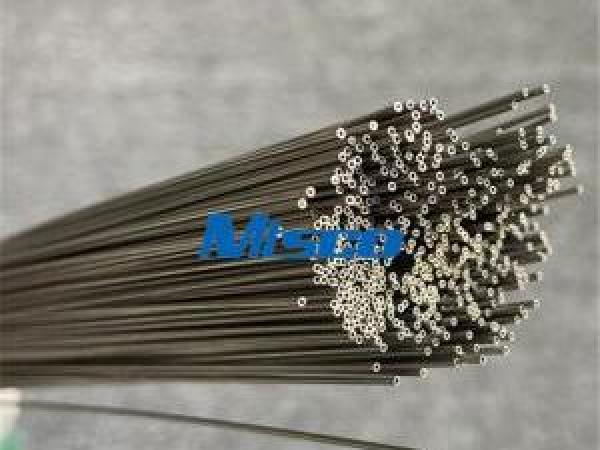
Control pipeline is a continuous stainless steel or nickel alloy small-diameter pipe used for downhole control and chemical injection systems. It can stably transmit liquids, signals, or pressure in deep wells of thousands of meters.
Common materials include 316L, 2205, 2507, Alloy 625, and Alloy 825.
Common structures include:
Single core control wire
Multi core control cable (Encapsulated/Flat Pack)
Key Applications
1. Underground safety valve (DHSV) control
Remote switch ensures long-term reliable operation under high pressure (up to 15000 psi).
2. Chemical injection
Common standards: ASTM B704/B705, NACE MR0175/ISO 15156.
3. Pressure and temperature monitoring
Cooperate with fiber optic or pressure sensors to achieve real-time underground monitoring.
4. Encapsulated Control Line
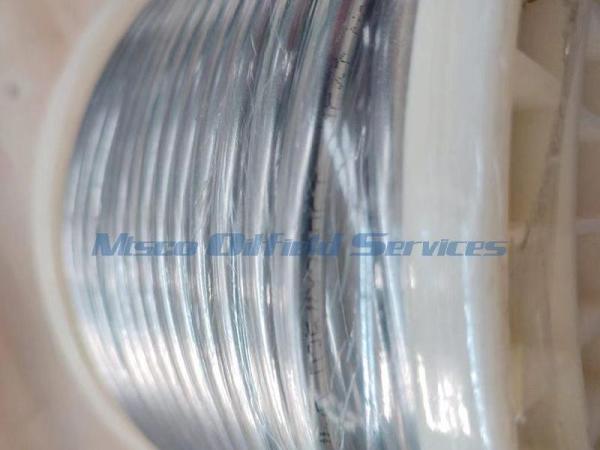
Provide protection through polymer outer layers such as FEP, HDPE, PP, etc.
Installation and Maintenance
1. Installation specifications: When laying parallel to the main oil and gas pipeline, pay attention to the spacing specifications;
2. Protective packaging: Choose the appropriate plastic coating material according to the well depth and temperature;
3. Regular testing: including appearance, eddy current, pressure maintenance, and medium leakage inspection.
The design of control lines is developing towards high alloying and intelligent monitoring, with future trends including multi-core intelligent control lines, high-temperature resistant packaging materials, and remote real-time data transmission. MTSCO's Siri Tubing focuses on producing control lines and capillaries, covering 304/316L/2205/2507/Alloy 625/825 materials. MTSCO collaborates with global oil and gas clients such as OXY, KOC, and ADNOC to provide safe and stable control line solutions for oil and gas engineering.