 en
en 中 文
中 文 Español
 Português
 Deutsch
 Türk
Türk Pусский
 عربي
عربي 한국인
한국인 日本語
日本語

--A Technical Breakdown of Throttling, Flashing, and Flow Control
Learn the core principles behind capillary tubes in refrigeration. This guide breaks down the critical processes of throttling, flashing, and flow control.
Capillary tubes are core components in refrigeration systems, and their operating principles are crucial to system performance. The following explains how capillary tubes work, helping technicians improve system energy efficiency and stability.
How Capillary Tubes Work
Capillary tubes are typically made of stainless steel or copper, with a specific inner diameter and length. They are long, narrow metal tubes. When high-pressure liquid refrigerant flows through this narrow channel, the pressure drops dramatically due to flow resistance. The refrigerant quickly evaporates, absorbing a large amount of heat, resulting in a sudden drop in temperature and achieving the cooling effect.
This process involves three key steps:
1. Throttling: When high-pressure liquid refrigerant enters the extremely small inner diameter of a capillary tube, it encounters significant flow resistance, including friction and localized resistance. This resistance causes the refrigerant pressure to drop sharply along the length of the capillary tube.
2. Flashing: As the pressure drops below the saturation pressure at that temperature, the liquid refrigerant begins to boil, causing "flash evaporation," where part of the liquid rapidly vaporizes. This phase change process absorbs a significant amount of heat, significantly lowering the refrigerant's own temperature.
3. Flow Control: The capillary tube's resistance to the refrigerant is influenced by a variety of factors, including its inner diameter, length, and surface roughness. These parameters enable the capillary tube to provide a relatively constant mass flow rate, ensuring that the amount of refrigerant entering the evaporator matches the system load.
Design and Performance Factors
Capillary tube performance is influenced by the following key factors:
1. Tube Diameter and Length: Smaller inner diameters and longer lengths increase flow resistance and reduce refrigerant flow.
2. Refrigerant Type: Different refrigerants have varying physical properties, requiring different capillary tube dimensions.
3. Temperature and Pressure Conditions: Ambient temperature fluctuations affect the condensing pressure, thereby altering the refrigerant flow rate.
4. Manufacturing Precision: The capillary tube's inner wall finish and weld quality directly determine flow stability and throttling effectiveness.
MTSCO: Your Professional Partner for Refrigeration Systems
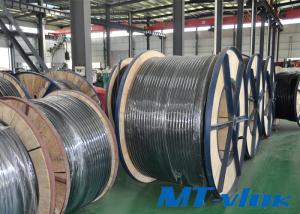
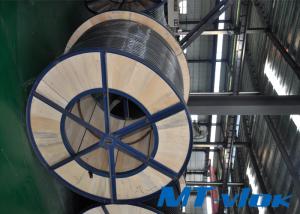
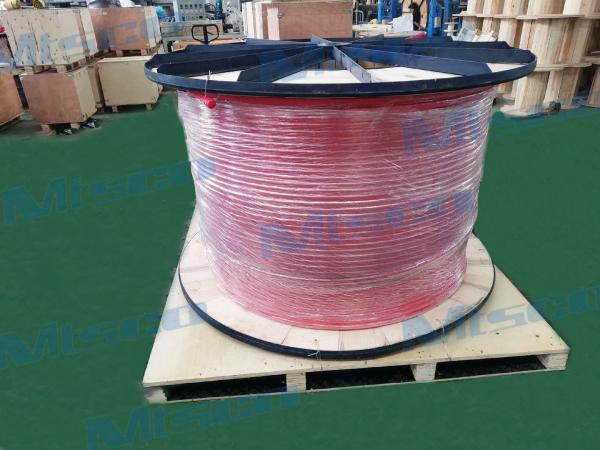
MTSCO has years of industry experience and offers professional products for capillary tubes, a key component in refrigeration systems. MTSCO's subsidiary, Siri Tubing, specializes in producing capillary tubes in a variety of materials, including high-strength stainless steel, duplex steel, and nickel alloys. Lengths up to 50,000 feet are available to meet diverse customer needs. If you have capillary tube needs in refrigeration systems or other industrial applications, MTSCO is your trusted partner.