 en
en 中 文
中 文 Español
 Português
 Deutsch
 Türk
Türk Pусский
 عربي
عربي 한국인
한국인 日本語
日本語

--Carbon Content, Welding Performance, and Corrosion Risks Analysis
Compare Grade 316 vs 316L stainless steel. Learn how carbon content affects welding performance and corrosion resistance for optimal engineering selection.
The difference between 316 and 316L may seem like just a matter of carbon content, but it significantly impacts post-weld corrosion resistance and inspection risks. This article explains the differences from an engineering perspective and provides judgment rules that can be directly applied to material selection and procurement.
316 vs 316L: What are the essential differences?
316: Higher upper limit for carbon content, typically ≤0.08%
316L: Low-carbon version, typically ≤0.03%
Why is 316L more recommended for welding scenarios? During welding, carbon and chromium easily form carbides, causing localized "chromium deficiency," thus increasing the risk of intergranular corrosion in corrosive media.
Due to its low carbon content, 316L has a lower sensitization tendency, making it suitable for thick-walled systems, systems with many weld joints on-site, or systems where post-weld solution treatment is not possible.
316 can still be used in scenarios where post-weld solution treatment is possible or where intergranular corrosion is not a concern.
How to balance strength, corrosion resistance, and cost?
Strength: 316L has a slightly higher carbon content, theoretically giving it a slight strength advantage, but this difference is not a decisive factor in most pipeline operating conditions.
Corrosion resistance: Both perform similarly in general chloride environments; the key difference lies in the weld heat-affected zone.
Cost and availability: 316L is more commonly used in pipelines and welded structures, offering a wider range of specifications and stronger substitutability.
Selection and procurement recommendations:
For applications with many weld joints/thick walls/no post-weld solution treatment: 316L is preferred.
For long-term high-temperature service: Operating condition assessment is necessary; consider stabilizing steel or heat treatment strategies if necessary.
Acceptance recommendations: MTC + PMI are mandatory; additional verification related to intergranular corrosion can be performed on welded parts.
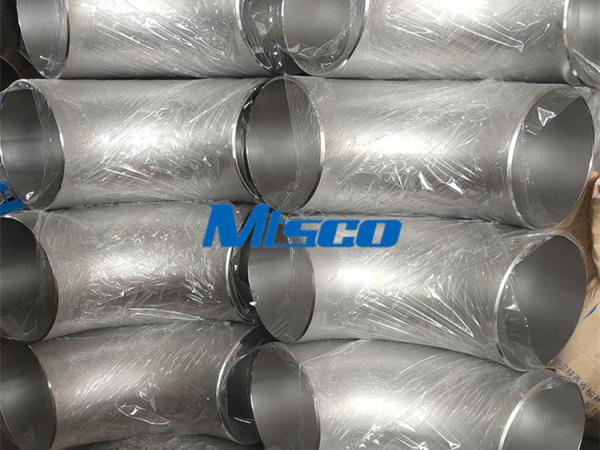
MTSCO can provide 316/316L pipes, fittings and flanges, with secondary PMI verification upon receipt, on-site QC process tracking and retention of traceable records; it also supports SGS/TUV third-party inspection to help customers control welding and corrosion risks in advance.