 en
en 中 文
中 文 Español
 Português
 Deutsch
 Türk
Türk Pусский
 عربي
عربي 한국인
한국인 日本語
日本語

--The process principles, application differences and selection guide of two downhole tools
Coiled Tubing and Wireline are two common technical means in underground operations, each with its own advantages and disadvantages. This article analyzes their core differences in application scenarios, structural performance and cost, to help engineering selection be more scientific.
In oil and gas downhole operations, Coiled Tubing and Wireline are the two most common downhole tools, and there are obvious differences between the two in structure, operation capacity and scope of application.
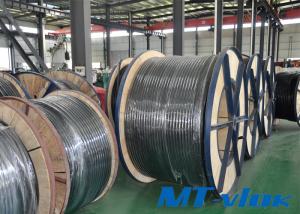
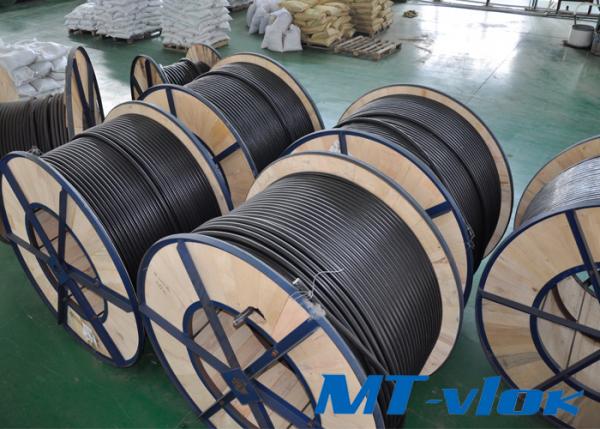
Coiled Tubing is a continuously welded slender metal pipeline that can perform a variety of complex operations. Its advantages are that it has a certain mechanical thrust, can carry downhole tools, and can transport liquids and gases, which is suitable for higher pressure and more complex well conditions. It is particularly suitable for wax removal, unblocking, acid injection or mechanical operations. The disadvantage is that the equipment system is large, the operating cost is relatively high, and the technical staff's experience requirements are also higher.
Wireline is composed of slickline or cable (E-line), which is mainly used for the delivery and data collection of downhole instruments, such as logging, pressure recorder lowering, control device setting, etc. It has a simple structure, rapid deployment, and convenient operation, and is suitable for medium and shallow wells, routine maintenance and monitoring tasks. However, due to its lack of thrust and fluid delivery capabilities, it is unable to perform cleaning, acidizing or complex mechanical operations, and its operating scope is limited.
Which method to choose requires comprehensive consideration of well conditions, operation objectives and cost budget. Coiled Tubing has more advantages in complex, high-pressure or fluid-involved operations. Wireline is more economical and efficient in conventional detection or control operations.
MTSCO provides coiled tubing made of a variety of high-performance materials such as austenitic stainless steel, duplex steel, and nickel alloys. The products cover conventional and special working conditions and have excellent corrosion resistance and mechanical properties. MTSCO's products have passed multiple international certifications such as ISO and PED. The products are widely used in oil and gas fields around the world, providing customers with stable, safe and reliable operation guarantees.