 en
en 中 文
中 文 Español
 Português
 Deutsch
 Türk
Türk Pусский
 عربي
عربي 한국인
한국인 日本語
日本語

——An Analysis of the Applications of Ultrahigh-Purity and High-Purity Stainless Steel Tubing in Clean Systems
Analyze the technical standards and clean surface requirements of high-purity and ultrahigh-purity (UHP) stainless steel tubing. Adhering to SEMI F20 and ASTM A270 standards, electropolished (EP) 316L tubes ensure zero contamination and extreme corrosion resistance for semiconductor and biopharmaceutical fluid delivery systems.
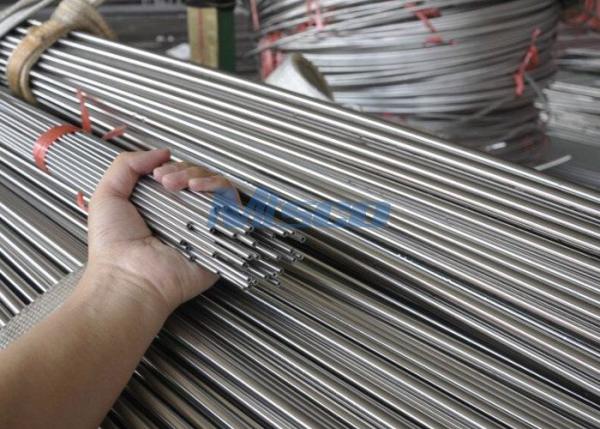
In cutting-edge manufacturing sectors such as semiconductor integrated circuits, optoelectronics, and core biopharmaceuticals, the cleanliness of fluid delivery networks directly determines the yield rate of the final product. As the primary conduits for process gases and high-purity liquids, ultra-high-purity (UHP) and high-purity stainless steel tubing face near-extreme technical requirements regarding the cleanliness of their microscopic inner surfaces, material purity, and resistance to gas outgassing.
316L austenitic stainless steel is the most common material for high-purity tubing. Due to its low-carbon characteristics and excellent corrosion resistance, it effectively minimizes the leaching of metal ions. High-purity stainless steel tubing is typically produced using vacuum melting or VAR (Vacuum Arc Remelting) processes to reduce the content of impurities such as sulfur and oxygen. Industry data indicates that the inner wall roughness of UHP tubing is generally controlled below Ra 0.25 μm, while semiconductor-grade EP tubing can even achieve a roughness of less than Ra 0.13 μm, significantly reducing particle residue and bacterial adhesion.
Electropolishing (EP) is one of the key processes for UHP tubing. This process uses electrochemical methods to remove microscopic surface irregularities from the stainless steel, thereby enhancing the stability of the surface passivation layer. After EP treatment, the corrosion resistance of stainless steel tubing is typically improved by more than 20%, while simultaneously reducing the risk of adsorption and contamination in fluid systems.
High-purity stainless steel tubing typically complies with standards such as ASTM A269, ASTM A270, and SEMI F20. SEMI standards are particularly stringent regarding cleanliness, welded areas, and packaging requirements. Before shipment, products typically undergo endoscopic inspection, ultrapure water cleaning, nitrogen-flushed packaging, and 100% cleanliness verification to meet the demands of high-purity gas and ultra-clean fluid delivery.
Currently, UHP and high-purity stainless steel tubing have become critical materials in semiconductor wafer manufacturing, ultra-high-purity gas delivery systems, and biopharmaceutical equipment. In modern cleanroom industries, their performance directly impacts system stability and product yield.