 en
en 中 文
中 文 Español
 Português
 Deutsch
 Türk
Türk Pусский
 عربي
عربي 한국인
한국인 日本語
日本語

--Your guide to materials, types, and standards.
Explore essential pipe fittings for the oil & gas industry. Learn about key types, material selection for harsh conditions, and crucial ASME standards.
Pipe Fittings for Oil and Gas Industries
In the oil and gas industry, pipe fittings are indispensable key components of pipeline systems, responsible for connecting pipes, changing fluid direction, branching pipelines, and adjusting pipe diameters. The correct selection and application of pipe fittings are crucial for ensuring the integrity, safety, and long-term stable operation of the entire system.
Common Pipe Fitting Types and Their Functions
Oil and gas pipeline systems are complex and diverse, requiring different types of pipe fittings to meet functional requirements. Common pipe fittings include:
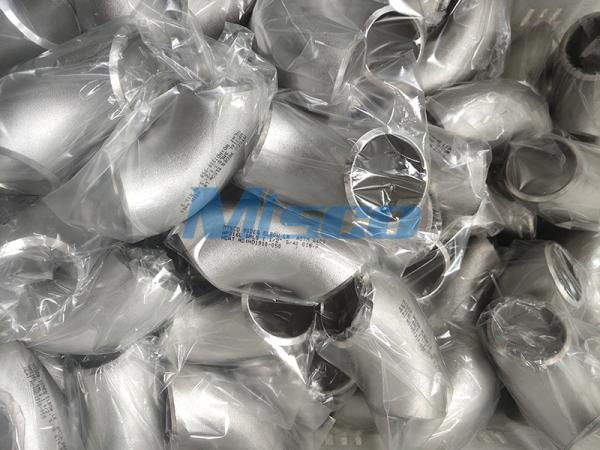
* Elbows: Used to change the direction of pipelines; the most common are 90-degree and 45-degree elbows.
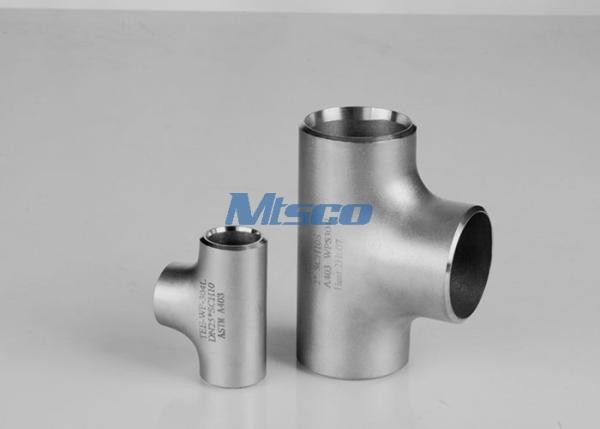
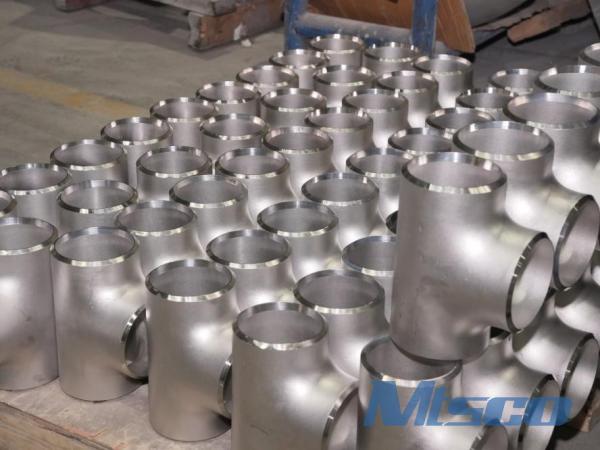
* Tees and Crosses: Used to branch pipelines, distributing the main fluid into different pipelines.
* Reducers: Also known as reducers, used to connect two pipes of different diameters; available in concentric and eccentric types.
* Caps: Used to seal the ends of pipes, providing a sealing effect.
Flanges: Although often considered standalone connectors, they fit tightly with pipe fittings, connecting pipes, valves, and equipment via bolts, and facilitating system maintenance.
Material Selection for Harsh Operating Conditions: The oil and gas industry typically involves high temperatures, high pressures, and corrosive media such as hydrogen sulfide (H2S), carbon dioxide, and chlorides. Therefore, the selection of pipe fitting materials is crucial for ensuring system safety.
Stainless Steel: Grades such as 316L are commonly used in general corrosive environments due to their excellent corrosion resistance.
Duplex Stainless Steel: For example, S32205 (2205) combines the toughness of austenitic stainless steel with the strength of ferritic stainless steel and has strong resistance to chloride stress corrosion cracking, making it ideal for offshore platforms and subsea pipeline systems.
Nickel Alloys: Such as Inconel 625 or Alloy 825 perform excellently when handling acidic gases or in extremely corrosive and high-temperature environments, making them ideal for harsh operating conditions.
Core Standards for Procurement and Application
To ensure the performance and reliability of pipe fittings, strict industry standards must be followed during procurement and application. ASME B16.9 is the general manufacturing standard for forged butt-welded pipe fittings, while ASME B16.5 specifies the dimensions, tolerances, and pressure ratings of pipe flanges and flanged fittings. Furthermore, materials must conform to relevant ASTM or ASME specifications. Verifying the product's pressure rating, dimensional tolerances, manufacturing process, and complete material traceability documentation (such as Material Test Reports, MTRs) is an essential step during procurement.
Selecting suitable pipe fittings for the oil and gas industry requires comprehensive consideration of their functional type, the specific material requirements of the operating environment, and the industry standards that must be followed. Precise control at every stage is fundamental to ensuring the safe and efficient operation of energy infrastructure.