 en
en 中 文
中 文 Español
 Português
 Deutsch
 Türk
Türk Pусский
 عربي
عربي 한국인
한국인 日本語
日本語

--Material Characteristics, Applications, and Selection Insights for Industrial Systems
Discover the properties and applications of Grade 2 titanium tubes and fittings, including ASTM B338 and B363 standards for marine and chemical systems.
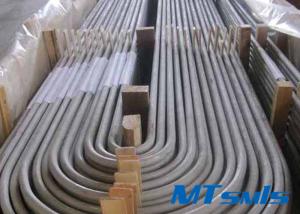
Grade 2 industrial pure titanium is widely used in chemical and marine engineering. This material achieves its optimal strength primarily through controlling the content of oxygen, nitrogen, hydrogen, and iron. The use of ASTM B338 Titanium Welded Tubes and ASTM B363 fittings in heat exchangers, condensers, and seawater desalination piping systems extends equipment life.
Grade 2 titanium exhibits excellent performance in oxidizing media, forming a dense oxide film on its surface that effectively resists corrosion from seawater, wet chlorine, and hypochlorites. Compared to high-strength Grade 5 titanium alloys, Grade 2 offers better cold-forming capabilities, making it more suitable for manufacturing complex elbows and tees.
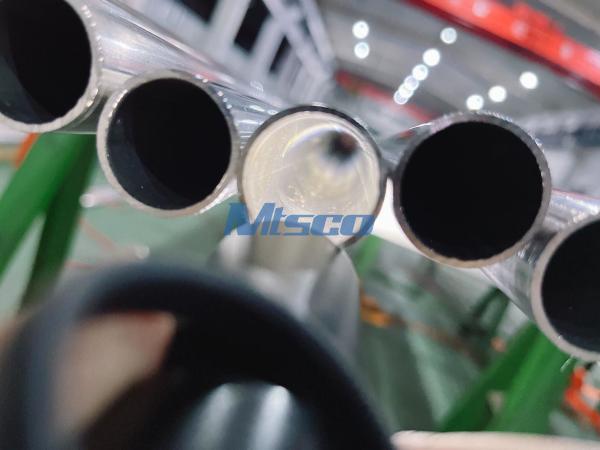
ASTM B338 titanium welded tubes are typically formed from cold-rolled titanium strips using TIG welding. Due to titanium's high strength, engineers often design thinner tube walls, saving material costs and improving the heat transfer efficiency of heat exchangers. With strict gas protection during welding, the density of titanium welds fully meets high industrial standards.
When constructing large-scale industrial piping systems, titanium is typically reserved for specific extreme conditions, while austenitic, duplex, and nickel alloys remain the core materials supporting most projects. MTSCO has been deeply involved in the industrial piping field for nearly 20 years, focusing on providing high-quality austenitic, duplex, and nickel alloy piping solutions. MTSCO supports customers with compliant materials and documentation aligned with project requirements.